Kantara: Chapter 1
Kantara: Chapter 1 – A Powerful Journey Into Faith, Nature, and Legacy
Cinema often gives us stories, but Kantara gives us experiences — deep, raw, and spiritual. When Rishab Shetty first introduced us to the mystical world of Kantara in 2022, it was a cultural storm that blended folklore, faith, and human emotion. Now, with Kantara: Chapter 1, he takes us back in time — to where it all began. This prequel dives into the roots of the legend and the birth of divine connection that shaped the story we already love.
A Return to the Land of Kantara
The story of Kantara: Chapter 1 takes us centuries before the events of the first film. Set in the 4th or 5th century during the Kadamba dynasty, the movie unfolds in the forested region of Banavasi — the sacred land of Kantara. This is not just a backdrop but a living, breathing world filled with mystery, rituals, and spiritual energy.
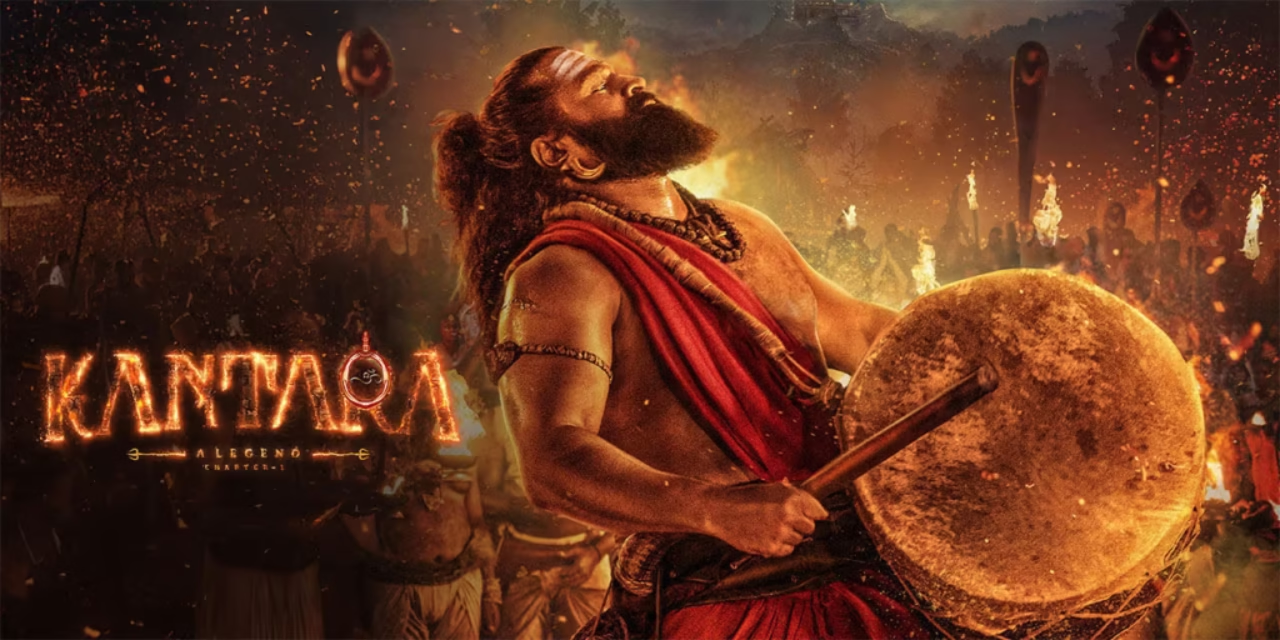
We meet Berme, played once again by Rishab Shetty, a brave warrior chosen by destiny to protect his people and their sacred traditions. His character represents the eternal conflict between man and nature, between devotion and desire, and between power and peace. When the king’s greed challenges the divine order, Berme becomes both protector and punished — his journey becoming the origin of the ritual that shaped Kantara’s destiny.
Storytelling That Feels Ancient and Alive
What makes Kantara: Chapter 1 stand out is how it feels both mythical and grounded at the same time. The screenplay draws heavily from South Indian folklore, narrating tales of spirits, gods, and humans whose fates are bound together. Yet, it never feels distant — every emotion, every struggle, feels relatable.
Rishab Shetty once again proves his brilliance as a storyteller. He doesn’t rely on dialogues alone; he paints with visuals, sounds, and silence. The story moves through moments of peace and fury, faith and betrayal, reminding us that the soul of Kantara lies in balance — between man’s ambition and nature’s patience.
Performances That Carry Heart and Spirit
Rishab Shetty delivers another commanding performance. As Berme, he isn’t just acting — he’s channeling something raw and powerful. His transformation from a loyal warrior to a divine figure feels natural and deeply emotional. His physical intensity in the action scenes is matched by his calm devotion during the ritual moments.
Rukmini Vasanth, as Princess Kanakavathi, shines in her role. Her chemistry with Shetty adds depth to the story, making their connection feel both sacred and tragic. Gulshan Devaiah and Jayaram add weight to the royal and spiritual dimensions of the plot, each representing the human flaws that trigger divine consequences.
Visuals, Sound, and the Soul of Kantara
One of the strongest aspects of Kantara: Chapter 1 is its visual storytelling. Cinematographer Arvind Kashyap once again captures the magic of the forests, the rituals, and the flames of devotion. Every frame feels like a painting — filled with mist, firelight, and divine energy.
The sound design deserves special mention. The music by B. Ajaneesh Loknath is haunting and beautiful. The drums, chants, and traditional instruments create an atmosphere that pulls you right into the world of Kantara. The background score builds tension and reverence in equal measure — it’s not just heard, it’s felt.
When the ritual sequences unfold, especially the Daiva dance, the screen seems to come alive with emotion and spirituality. These moments remind viewers that Kantara is not just cinema — it’s culture, it’s faith, and it’s an emotion beyond words.
Where the Film Struggles a Little
While Kantara: Chapter 1 is visually stunning and emotionally rich, it’s not without its flaws. The first half takes time to build up, and the heavy use of mythology might feel overwhelming for those unfamiliar with the traditions of coastal Karnataka.
Some viewers may also find the pacing uneven — the movie shifts between epic battles and meditative moments of silence. But that’s also what makes Kantara unique. It’s not a typical mass entertainer; it’s a deeply personal artistic expression.
Themes That Resonate Beyond the Screen
At its heart, Kantara: Chapter 1 is about faith, balance, and human connection with nature. It explores how power can corrupt, but devotion can heal. The film raises important questions — Who owns the land? What happens when humans forget the divine forces that protect it?
These themes feel especially relevant today, as we witness a world struggling with environmental imbalance and spiritual emptiness. Through the story of Berme and Kantara, Rishab Shetty reminds us that harmony with nature is not a choice — it’s a responsibility.
A Visual and Emotional Triumph
By the time the film reaches its climax, the energy on screen is almost spiritual. The dance of the Daiva, the fire-lit forests, and the haunting music all come together to create a powerful cinematic experience. It’s not just about watching a movie — it’s about feeling something ancient awaken inside you.
Rishab Shetty deserves immense credit for staying true to his roots. He doesn’t dilute the essence of Kantara to please everyone; instead, he deepens its soul. This film proves that regional cinema can be both artistic and universal — deeply cultural yet emotionally global.
Final Verdict
Kantara: Chapter 1 is a breathtaking cinematic journey — visually mesmerizing, spiritually profound, and emotionally resonant. It expands the legend of Kantara while staying faithful to its essence.
If you loved the first film, this prequel will enrich your understanding of its world and its characters. And even if you’re new to it, you’ll still be captivated by its beauty, mystery, and heart.
Yes, it’s a little long, a bit dense at times — but it’s also unforgettable. It’s the kind of film that stays with you long after you leave the theatre.
⭐ Rating: 4 / 5
Kantara: Chapter 1 is not just another movie — it’s an experience, a reminder of where we come from, and how faith and nature are forever intertwined.
For more updates follow my instagram and portfolio